
Seeing a little pink in the sink after brushing is easy to ignore. But bleeding gums are often one of the first signs of gum disease, and early care can make a real difference.
Gum disease is extremely common in Singapore. The 2019 National Adult Oral Health Survey found that about three in four adults had some form of periodontal (gum) disease, and many people have few symptoms in the early stages.
At Tooth Angels Coronation, we provide gum and periodontal treatment in Bukit Timah, from professional cleaning to ongoing maintenance, at Coronation Arcade near Tan Kah Kee MRT.
Why do my gums bleed when I brush?
The most common cause is plaque, a sticky film of bacteria that builds up along the gum line. If it is not removed thoroughly each day, the gums become inflamed, swollen and more likely to bleed when you brush or floss.
Other factors can also play a part, including brushing too hard, hormonal changes such as pregnancy, smoking, some medications and certain medical conditions such as diabetes. Persistent or unexplained bleeding should always be checked by a dentist.
Gingivitis vs periodontitis: what is the difference?
Gingivitis is the early stage of gum disease. The gums may look red or swollen and bleed easily. At this stage the condition is usually reversible with professional cleaning and better daily oral hygiene.
Periodontitis develops when inflammation spreads deeper and affects the tissues and bone that support the teeth. Pockets can form between the gums and teeth, the gums may recede and teeth can eventually loosen. Periodontitis cannot be reversed by brushing alone and needs dental treatment to help control it.
Common signs of gum disease
- Gums that bleed when you brush or floss
- Red, swollen or tender gums
- Persistent bad breath or a bad taste
- Gums pulling away from the teeth, making teeth look longer
- Loose teeth or teeth that have shifted
- Changes in how your teeth bite together or how dentures fit
- Pus between the teeth and gums
Gum disease is often painless, which is why it can go unnoticed. Regular check-ups help detect changes early, even when you feel fine.
Who is at higher risk of gum disease?
- People who smoke
- People with diabetes
- Those with a family history of gum disease
- People with braces, crowns or bridges that make cleaning harder
- Pregnant women, due to hormonal changes
- Anyone who has not had a dental check-up for a long time
How is gum disease diagnosed?
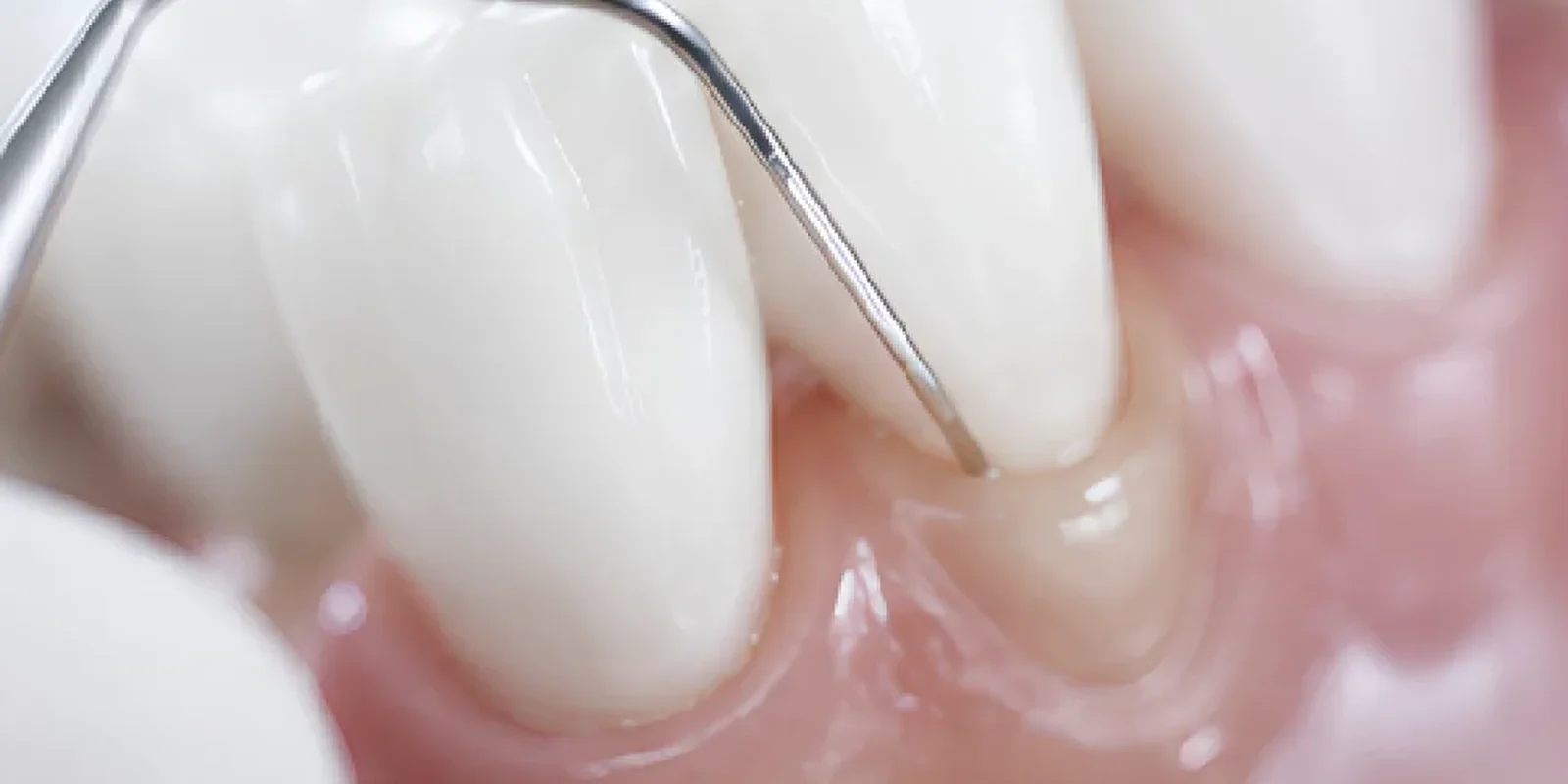
Your dentist will examine your gums for inflammation, bleeding and recession, and may gently measure the space between the gums and teeth with a small probe. Dental X-rays may be recommended to assess the bone supporting your teeth. The findings help your dentist recommend care that suits the stage of your condition.
How is gum disease treated?
Treatment depends on the severity of the condition and your individual needs. It may include:
- Professional cleaning: scaling to remove plaque and tartar above and below the gum line
- Root surface cleaning: deeper cleaning of the root surfaces where pockets have formed
- Personalised home-care advice: brushing technique and cleaning between the teeth
- Medication: in selected cases, as part of treatment
- Periodontal surgery: considered for some advanced cases
Where appropriate, patients may be assessed or treated by our registered dental specialist in periodontology, who focuses on the gums and the structures that support the teeth.
Is scaling and polishing enough to treat gum disease?
For gingivitis, routine scaling and polishing combined with good home care is often enough to bring the gums back to health. Periodontitis usually needs more thorough treatment and regular maintenance visits afterwards. Your dentist will explain which approach suits you.
Can gum disease affect my general health?
Research has linked gum disease with conditions such as diabetes and heart disease. Gum inflammation can make blood sugar harder to control, and diabetes can make gum disease worse. Looking after your gums is part of looking after your overall health.
How to prevent gum disease at home
- Brush twice a day for two minutes with a soft-bristled brush and fluoride toothpaste
- Clean between your teeth daily with floss or interdental brushes
- Do not stop brushing an area just because it bleeds; gentle, thorough cleaning helps the gums heal
- Avoid smoking
- Attend regular dental check-ups and professional cleaning
How much does gum treatment cost in Singapore?
Fees depend on the extent of the condition, the number of visits and whether specialist care is needed. Eligible Singapore Citizens may receive CHAS subsidies for selected dental procedures such as scaling at participating clinics, subject to scheme rules. We will give you a personalised estimate after your assessment.
When should I see a dentist about my gums?
Book an assessment if your gums bleed regularly, feel swollen or tender, or if you notice loose teeth, receding gums or persistent bad breath. Seek prompt care for gum swelling with fever or a spreading facial swelling.
Frequently asked questions
Is it normal for gums to bleed when brushing?
No. Healthy gums do not usually bleed with gentle brushing. Regular bleeding is often a sign of gum inflammation and should be checked by a dentist.
Can gum disease be reversed?
Gingivitis, the early stage, is usually reversible with professional cleaning and good oral hygiene. Periodontitis cannot be fully reversed, but treatment can help control it and slow its progression.
Should I stop flossing if my gums bleed?
Usually not. Gentle, regular cleaning between the teeth helps reduce inflammation. If bleeding continues for more than a week or two, see your dentist.
Does gum treatment hurt?
Local anaesthesia can be used for deeper cleaning so you stay comfortable. Some tenderness or sensitivity afterwards is common and usually settles within a few days.
How often do I need cleaning if I have gum disease?
Your dentist will recommend a maintenance schedule based on your gum condition. People with periodontitis often need professional cleaning more frequently than usual.
Visit Tooth Angels Coronation in Bukit Timah
Tooth Angels Coronation is at 5 Coronation Road, #01-01 Coronation Arcade, Singapore 269406, a short walk from Tan Kah Kee MRT and convenient for families around Bukit Timah, Coronation Road, Sixth Avenue and Farrer Road. Learn more about our gum and periodontal treatment in Bukit Timah, or contact us to arrange an appointment.