
Crooked, crowded or gapped teeth are among the most common reasons people ask about orthodontic treatment. Today the choice usually comes down to two options: fixed braces or clear aligners.
Both can straighten teeth and improve the way they bite together, but they work differently and suit different situations. This guide compares braces vs clear aligners so you know what to expect before your consultation.
At Tooth Angels Coronation, we offer fixed braces and clear aligners in Bukit Timah for teenagers and adults, at Coronation Arcade near Tan Kah Kee MRT.
Quick answer: braces or clear aligners?
Fixed braces stay on your teeth throughout treatment and can manage a wide range of cases, including more complex tooth movements and bite problems. Clear aligners are removable, nearly invisible trays that may suit selected mild to moderate cases, provided they are worn as prescribed. The right choice depends on your teeth, your bite and your lifestyle, and a clinical examination is needed to decide.
How do fixed braces work?
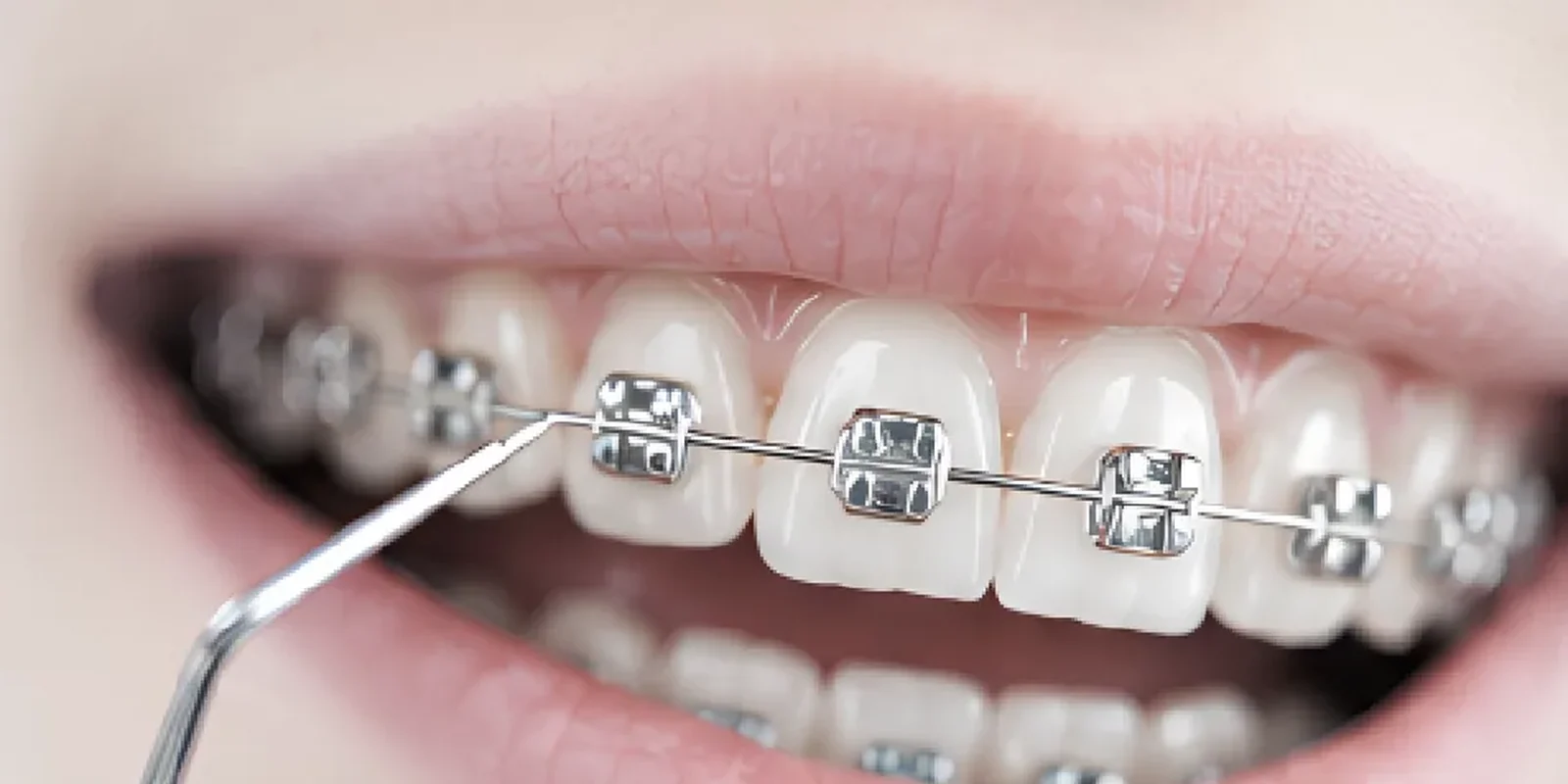
Fixed braces use small brackets bonded to the teeth and connected by a wire. Your dentist adjusts the wire at regular reviews, applying gentle, controlled forces that move teeth gradually into better positions.
Brackets are available in metal or tooth-coloured ceramic, depending on clinical requirements. Because braces are fixed in place, they work around the clock without relying on you to put them in.
How do clear aligners work?
Clear aligners are a series of custom-made, transparent trays. Each set moves the teeth a small step, and you switch to the next set on a schedule set by your dentist.
Aligners are taken out to eat, drink anything other than water, and to brush and floss. To work, they generally need to be worn for most of the day, often around 20 to 22 hours. Small tooth-coloured attachments are sometimes bonded to teeth to help the trays grip.
Braces vs clear aligners: side-by-side comparison
| Fixed braces | Clear aligners | |
|---|---|---|
| Appearance | Visible brackets; ceramic options are less noticeable | Nearly invisible when worn |
| Removable? | No, fixed for the whole treatment | Yes, removed for meals and cleaning |
| Case suitability | Wide range, including complex movements and bite issues | Selected mild to moderate cases, after assessment |
| Relies on wear time? | No, works continuously | Yes, needs consistent daily wear |
| Eating | Avoid hard and sticky foods | Eat normally with trays out, then brush before refitting |
| Cleaning | Takes extra care around brackets and wires | Brush and floss as usual; clean trays daily |
| Reviews | Regular adjustment visits | Periodic progress checks and new sets of trays |
Who may be better suited to fixed braces?
- Severe crowding, large gaps or significant rotations
- Complex bite problems that need precise control
- Younger patients who may find it hard to wear aligners consistently
- Anyone who prefers not to manage removable trays
Who may be better suited to clear aligners?
- Mild to moderate crowding or spacing, confirmed at assessment
- Adults and older teens who want a discreet option for work or school
- People who are disciplined about wearing trays for most of the day
- Patients who want to remove the appliance for meals and important occasions
Neither option is automatically better. Case complexity, oral hygiene, how consistently you can wear an appliance and your treatment goals all matter.
How long does orthodontic treatment take?
Treatment time varies with the complexity of the case and how well instructions are followed. Many courses of treatment last from several months to two years or more. Your dentist will give you an estimate once your teeth and bite have been assessed.
After the teeth have moved, a retainer is needed to help keep them in their new positions. Teeth can drift back without one, so retainer wear is an important part of every orthodontic plan.
Are braces or aligners painful?
Most people feel pressure or tenderness for a few days after braces are adjusted or a new set of aligners is started. Braces may also rub the cheeks at first; orthodontic wax can help. Discomfort usually settles as you get used to the appliance. Contact the clinic if pain is severe or a wire is causing an injury.
Keeping teeth and gums healthy during treatment
Plaque collects easily around brackets and under aligners, so good oral hygiene is essential. Brush carefully twice a day with fluoride toothpaste, clean between your teeth, and keep up with your scaling and polishing and check-ups. With aligners, brush before putting the trays back in and avoid sipping sugary drinks while wearing them.
What is the best age for braces?
There is no upper age limit. Healthy teeth and gums can be moved at any age, and many adults choose orthodontic treatment. For children, an orthodontic check around age 7 can help identify developing bite issues early, even though treatment, if needed, often starts later. Read our guide to children's dental visits for more.
How much do braces and clear aligners cost in Singapore?
Costs depend on the type of appliance, the complexity of your case, treatment length and the number of reviews. Because every plan is individual, we provide a personalised fee estimate after your consultation and examination.
What happens at an orthodontic consultation?
Your dentist will listen to your concerns, examine your teeth, gums, bite and jaw, and may recommend X-rays or records such as photographs and scans. Any tooth decay or gum disease is usually addressed before tooth movement begins. You will then be able to discuss suitable options, likely timelines and fees.
Frequently asked questions
Are clear aligners as effective as braces?
Both are established treatments. Clear aligners can be effective for selected mild to moderate cases when worn as prescribed, while fixed braces may offer more control for complex tooth movements and bite problems.
Can I switch from braces to aligners during treatment?
It is sometimes possible, depending on how treatment is progressing. Discuss this with your dentist, who can advise whether a change is clinically suitable.
Do I need to wear a retainer after treatment?
Yes. Retainers help keep teeth in their new positions. Your dentist will advise on the type of retainer and how long to wear it.
Can adults get braces or clear aligners?
Yes. Adults with healthy teeth and gums can have orthodontic treatment. Any gum disease or decay is usually treated first.
What can I eat with braces?
Most foods are fine if cut into smaller pieces. Avoid hard, sticky and chewy foods such as nuts, hard sweets and toffee, which can damage brackets and wires.
Visit Tooth Angels Coronation in Bukit Timah
Tooth Angels Coronation is at 5 Coronation Road, #01-01 Coronation Arcade, Singapore 269406, a short walk from Tan Kah Kee MRT and convenient for families around Bukit Timah, Coronation Road, Sixth Avenue and Farrer Road. Learn more about our braces and clear aligners in Bukit Timah, or contact us to arrange an appointment.